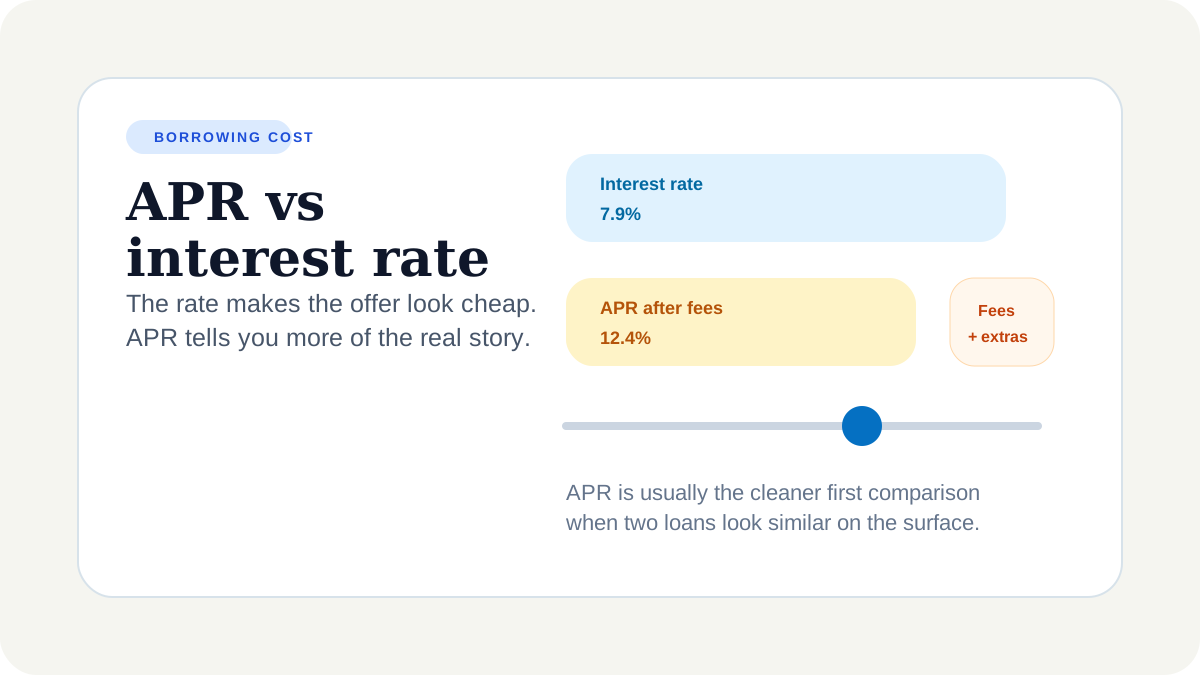
If you are comparing two loans quickly, start with APR. The interest rate matters too, but it rarely tells the whole story on its own once fees and add-ons enter the picture.
What the headline interest rate is actually telling you
The headline rate matters because it drives how interest is calculated on the outstanding balance. It helps you understand payment sensitivity when rates move or when you change the term. But it does not fully describe how expensive the whole package is.
Why APR is usually the better first comparison
APR was designed to put competing borrowing offers on a shared scale. When the amount and term are broadly similar, a lower APR usually signals a lower overall cost. That makes it a much better starting point than a headline rate alone.
Loans
Compare offers on equal assumptions
Enter the same amount and term for each loan. Once the structure is identical, the expensive extras become much harder to hide.
When a low rate still produces a bad deal
This usually happens when the lender makes the rate look good by shifting cost elsewhere: arrangement fees, compulsory insurance, account packages, or short-lived promotions. The headline number wins attention, but the full package wins or loses your budget.
Useful rule of thumb
If the marketing page spends far more time on the interest rate than on fees or total repayable amount, that is already a reason to slow down and compare deeper.
How to read a borrowing offer with less noise
Start with APR. Then check the total repayable amount. After that, check whether the monthly payment still fits your budget. This order keeps you from falling in love with a comfortable-looking payment before you see what it costs you over time.
What to check before you decide
Loans
Test the payment with and without fees
Running the same loan twice, once clean and once with charges included, is often enough to show which number in the ad is doing the selling.
Use APR first, then sanity-check the payment
The interest rate helps you understand the engine. APR helps you compare the package. The total repayable amount keeps the decision honest.
Common questions
Does a lower interest rate always mean a cheaper loan?
No. Fees and bundled products can turn a low advertised rate into a more expensive total package.
Is APR enough on its own?
It is a strong first filter, but it still helps to check total repayable amount and any early repayment rules.
Why can two offers have similar APRs but different payments?
Because payment size still depends on term length and how the total cost is spread across the schedule.
Read next
How to calculate a loan payment without missing the real cost
A monthly payment is not just math on a formula sheet. Here is how to estimate the payment, compare repayment styles, and spot fees that quietly make the loan more expensive.
The credit card minimum payment trap, explained simply
Minimum payments ease the pressure this month, but they can keep card debt alive for years. Here is how to spot the trap and build a payoff plan that actually ends.
How much loan payment can you actually afford?
The lender's maximum is not the same as a comfortable payment. Here is how to test a monthly number that still works when the month is ordinary, not ideal.