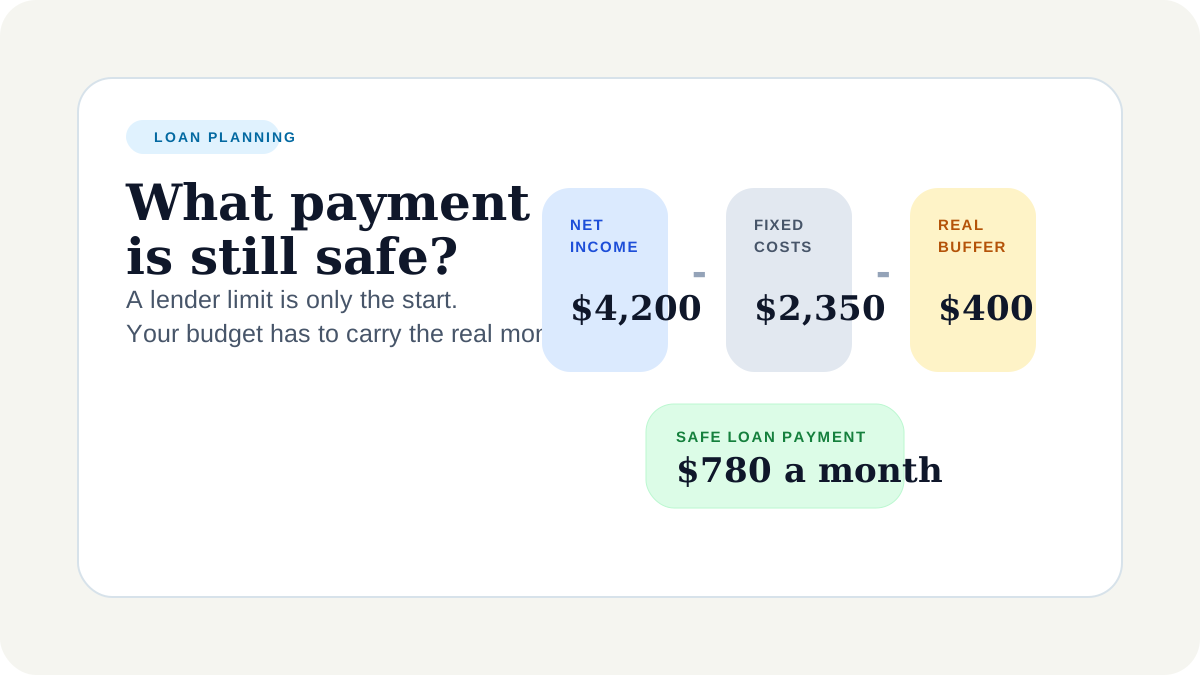
The most dangerous loan payment is often the one that looks fine in a perfect month. A safer number is the one that still works after rent, groceries, transport, subscriptions, and one annoying surprise bill all show up at once.
Start with the payment, not the maximum loan
People often begin with the biggest amount they can borrow. That is backwards. A better starting point is the monthly payment your budget can carry without turning every awkward month into a problem.
Once that payment range feels clear, you can work back to the loan amount and term that fit it.
What lenders call affordable and what your budget can live with
Lenders look at income, existing debt, and broad policy thresholds. Your budget has to deal with school costs, higher grocery bills, car repairs, and the random month that simply costs more than it should.
Loans
Test the payment before you focus on the loan amount
If you compare two or three monthly payment levels on the same term, the safe range usually becomes obvious very quickly.
The fixed costs that squeeze a safe payment
The loan does not compete with your salary in isolation. It competes with everything else that already wants the same money. That is why affordability checks built on rough percentages alone often miss the real pressure points.
A common mistake
Borrowers often treat the current month as normal even when spending is temporarily low. A better affordability check starts from an average month, not your best one.
Why a stress buffer matters more than optimism
A buffer looks boring when the budget is calm. It becomes the most useful line in the whole plan when costs jump or income wobbles. If a payment works only after the buffer is removed, it is probably too high already.
A quick affordability check before you apply
Loans
Compare the comfortable payment against the tempting one
A side-by-side test usually shows whether the higher payment buys anything worthwhile or just makes the budget more fragile.
The right payment is the one that still works on an ordinary month
An affordable loan payment should fit real life, not the neat version of life from a lender worksheet. If the number still feels solid after fixed costs and a realistic buffer, you are much closer to a loan you can actually live with.
Common questions
Should I borrow up to the amount the bank approves?
Not automatically. Approval shows what may be possible on paper, not what will feel safe in your own monthly budget.
What share of income is too high for loan payments?
Many households start feeling squeezed when debt payments take too much room after rent, food, transport, and other fixed costs are already covered.
Is a longer term always safer because the payment is lower?
Not always. A lower payment can help cash flow, but a longer term also keeps you in debt longer and usually raises total interest.
Read next
How to calculate a loan payment without missing the real cost
A monthly payment is not just math on a formula sheet. Here is how to estimate the payment, compare repayment styles, and spot fees that quietly make the loan more expensive.
APR vs interest rate: which number tells you the real loan cost?
A low interest rate can make an offer look cheap in the first line. APR usually gives you a better first read of the full borrowing cost.
The credit card minimum payment trap, explained simply
Minimum payments ease the pressure this month, but they can keep card debt alive for years. Here is how to spot the trap and build a payoff plan that actually ends.