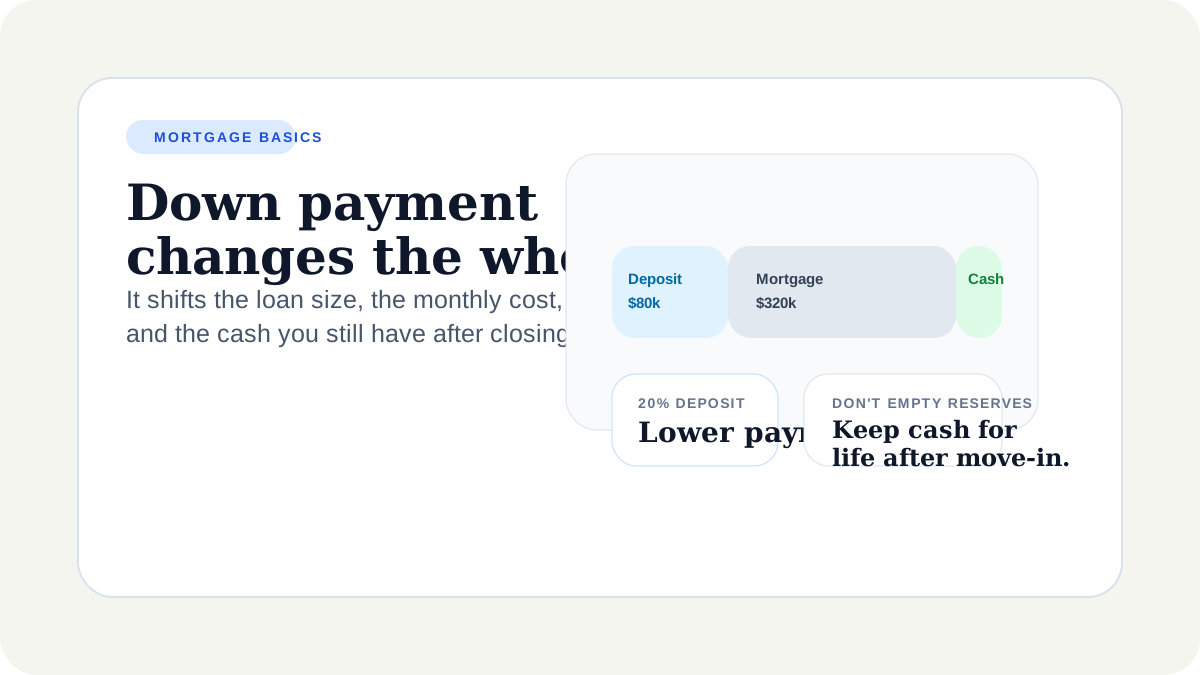
You can start with the lender minimum. A better question is what deposit leaves you with a manageable mortgage and enough cash to survive the first expensive stretch after closing.
What the minimum deposit really means
The minimum deposit answers a lender question: can this deal be structured? It does not answer the household question: will this still feel safe after completion costs, furniture, repairs, and the first normal life bill all arrive at once?
What a larger deposit changes
A bigger deposit reduces the mortgage balance, which usually reduces the monthly payment and the lifetime interest bill. It can also improve the borrower's position in underwriting because the lender is taking less risk against the property value.
Mortgage
Model three deposit levels before you decide
Testing the same home against several deposit sizes is often the fastest way to see whether buying sooner is worth the tighter monthly pressure.
Why keeping some cash outside the deal matters
It is easy to become deposit-focused and forget liquidity. A home purchase brings closing costs, furnishing, urgent fixes, and plain old life. Emptying every savings bucket to hit a cleaner headline mortgage can make the first year far more stressful than expected.
A practical framing
The best deposit is often not the maximum you can technically pay. It is the one that still leaves the household resilient after the deal completes.
How to translate deposit size into payment impact
Subtract the deposit from the home price, then run the new mortgage balance through the same rate and term. Once you see the payment movement on identical assumptions, you can judge whether another few months of saving meaningfully changes the deal or only changes it a little.
What to prepare before you apply
Mortgage
Test comfort, not just lender minimums
A mortgage is easier to live with when you model the payment against the life that follows the purchase, not just the day you sign.
A better way to choose your down payment
The minimum deposit helps you qualify. The right deposit helps you live well after qualification. That second question is the one most buyers should spend more time on.
Common questions
Is the minimum down payment enough?
Sometimes yes for approval, but not always for comfort. A higher deposit usually lowers the payment and leaves the lender more relaxed.
Should I put every spare dollar into the deposit?
Usually no. Closing costs, moving expenses, repairs, and a cash buffer still matter after the keys arrive.
Does a larger deposit help approval odds?
In many cases yes, because it lowers the loan amount and monthly burden, even though income stability still matters.
Read next
Fixed vs variable mortgage: which risk are you actually choosing?
The real choice is not only rate versus rate. It is payment stability versus the chance that your costs move at the wrong time.
Overpay the mortgage or invest: which moves your money further?
Paying down debt faster can feel safe. Investing can look smarter on paper. The better move depends on rates, tax, flexibility, and how much uncertainty you can tolerate.
How to calculate a loan payment without missing the real cost
A monthly payment is not just math on a formula sheet. Here is how to estimate the payment, compare repayment styles, and spot fees that quietly make the loan more expensive.